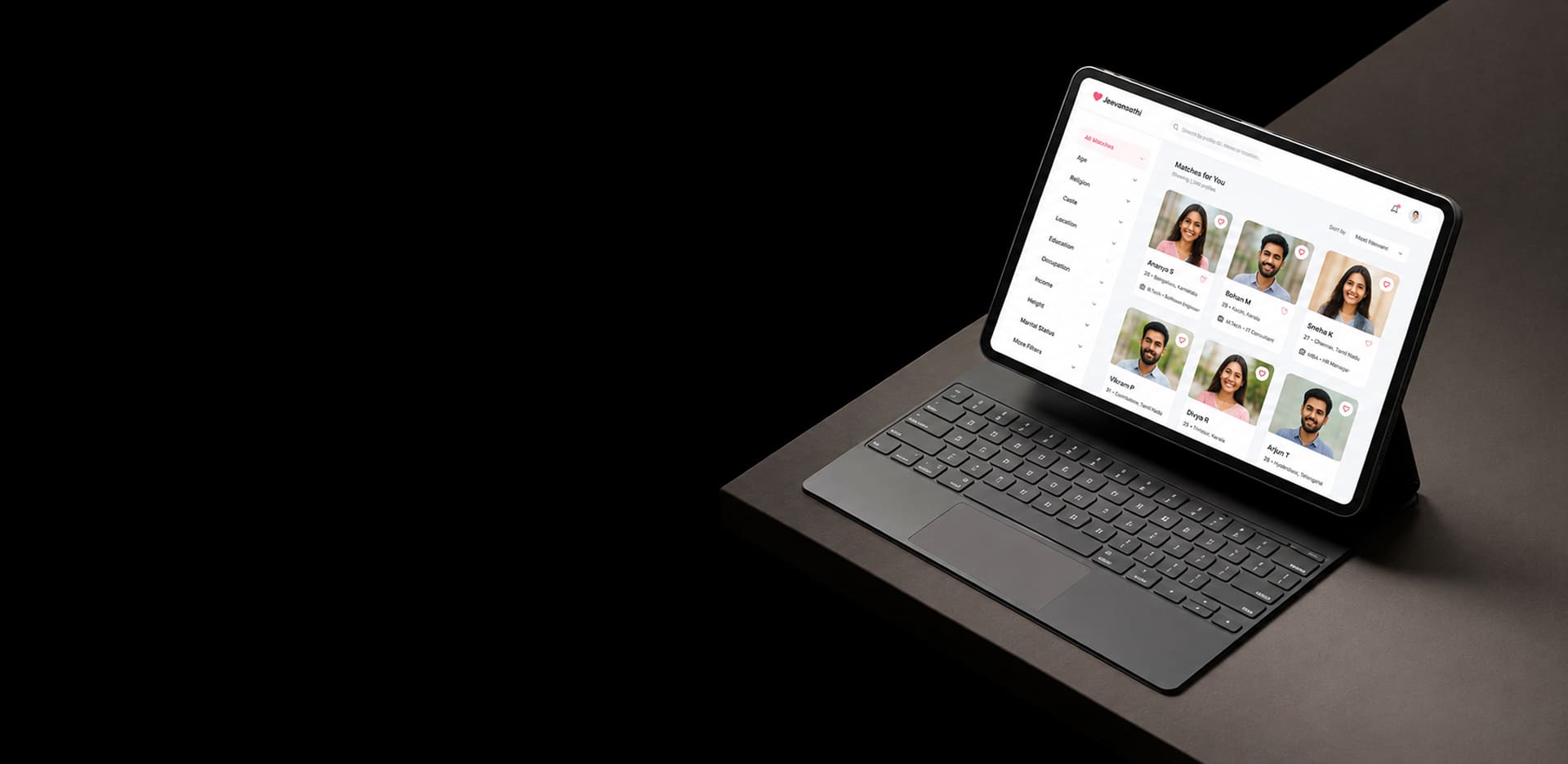

The Matchmaking Platform Was An Established, Business-Critical Application Built Around A Large And Continuously Growing Volume Of User And Matchmaking Data. Over The Years, The Platform Accumulated Significant Historical Information, User Profiles, Preferences, Interactions, And Business Data, Making The Existing System An Important Digital Asset For The Organization.
However, As The Platform Evolved And User Expectations Changed, The Limitations Of The Legacy Technology Became Increasingly Visible. The Existing Application Was Hosted In An On-Premise Environment And Had Been Designed Around An Older Generation Of Application Architecture And User Experience Patterns. While The System Continued To Support Core Matchmaking Operations, It Was Becoming Increasingly Difficult To Accommodate New Functionality, Improve Performance, Scale Efficiently, And Deliver The Seamless Digital Experience Expected By Modern Users.
The Transformation Therefore Required Much More Than Replacing An Old Application With A New One.
The Objective Was To Reimagine The Entire Matchmaking Experience While Protecting The Value Accumulated In The Existing System.
The Modernization Initiative Transformed The Legacy Application Into A Modern Web And Mobile Matchmaking Ecosystem, Introducing Personalized Matchmaking Based On User-Defined Preferences, Community-Driven Engagement, Improved Profile Discovery, Modern User Experiences, And A Scalable Application Architecture Designed To Support Future Growth.
One Of The Most Critical Aspects Of The Transformation Was The Migration Of The Existing High-Volume Data Ecosystem. The Modernization Was Executed With A Strong Focus On Zero Data Loss And Optimal Controlled Downtime, Ensuring That The Transition To The New Platform Did Not Compromise The Organization's Historical Data Or Business Continuity.
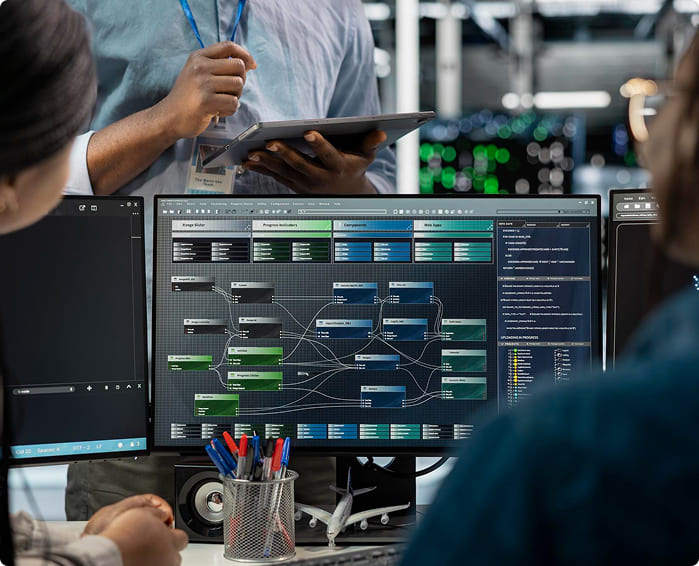
A Mature Platform Reaching The Limits Of Its Legacy Architecture
The Existing Matchmaking Application Had Been Serving Users For A Significant Period And Had Accumulated A Substantial Volume Of Data.
This Created A Unique Modernization Challenge.
The Objective Was Not To Start With An Empty Database And Build A New Application. The New Platform Had To Inherit The Value Of The Existing Ecosystem While Simultaneously Overcoming The Limitations Created By The Legacy Environment.
The Organization Was Dealing With Multiple Challenges Across Technology, Functionality, User Experience, Infrastructure, Scalability, And Future Extensibility.

Large Volume Of Existing Data
The Legacy Platform Contained Years Of Accumulated User And Matchmaking Information.
The migration strategy had to ensure that modernization preserved the platform's historical business value—including user profiles, preferences, and interaction history—while preventing any loss of:
Loss Of Historical Records
Incomplete User Profiles
Incorrect Data Mapping
Duplicate Records
Broken Relationships Between Data Entities
Inconsistent Information Between The Old And New Systems
Business Disruption During Migration
The Challenge Was Therefore To Modernize The Technology Without Losing The Accumulated Value Of The Existing Platform.

Functional Limitations
The Legacy Platform Was Originally Developed To Address The Matchmaking Requirements Of Its Time. As User Expectations Evolved, However, The Application Required More Sophisticated Functionality.
Traditional Matchmaking Experiences Generally Depend Heavily On Users Manually Searching Through Profiles And Applying Filters.
This Creates A Significant Amount Of Effort For The User.
Users Need To Repeatedly:
Search → Filter → Browse → Compare → Shortlist → Connect
The Modernization Provided An Opportunity To Change This Model.
Instead Of Treating The Platform Simply As A Large Database Of Profiles, The New Solution Was Designed Around The User's Preferences, Requirements, Discovery Behavior, And Engagement Needs.

User Experience Challenges
The Legacy Application Also Presented Challenges From A User-Experience Perspective. Modern Digital Users Expect Applications To Be:
- Fast
- Responsive
- Easy To Navigate
- Intuitive
- Mobile-Friendly
- Personalized
- Consistent Across Devices
- Simple To Use Even When The Underlying Functionality Is Complex
The Older Application Experience Did Not Fully Align With These Expectations. The Modernization Therefore Focused On Creating An Experience Where Users Could Interact With The Platform More Naturally, Discover Relevant Profiles More Efficiently, Manage Their Preferences Easily, And Engage With The Matchmaking Ecosystem Across Both Web And Mobile.
Non-Functional Challenges
The Transformation Also Addressed Several Non-Functional Requirements That Become Increasingly Important As A Digital Platform Grows. These Included:
Scalability: The new platform needed to support growing users, profiles, searches, and interactions — while enabling future capabilities without legacy constraints.
Performance: The Platform Needed To Provide A Smoother Experience For Profile Discovery, Search, Filtering, Profile Viewing, And Other Frequently Performed Operations.
Maintainability: The legacy architecture made enhancements challenging, while the modernized architecture makes the platform easier to maintain, enhance, test, and extend.
Extensibility: Matchmaking platforms evolve with new criteria, features, and integrations, so the architecture was designed to support future enhancements beyond immediate needs.
Reliability: As Matchmaking Is Highly Interactive, Modernization Focused On A Robust Foundation To Support Continuous Digital Engagement.
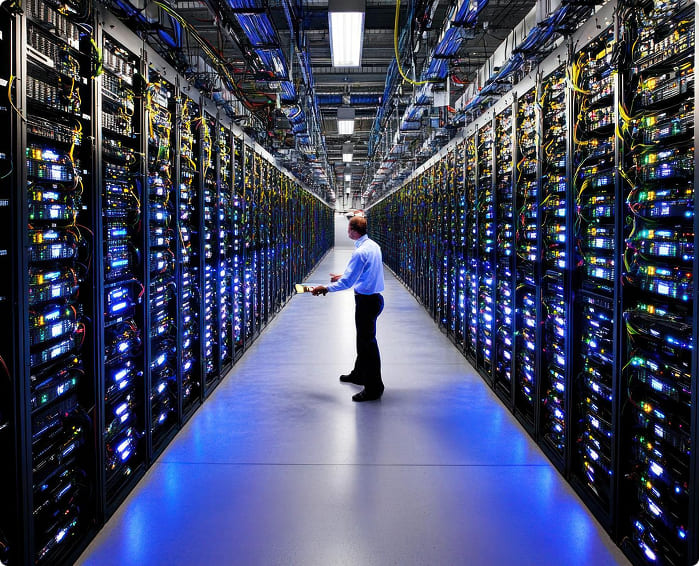
On-Premise Infrastructure Constraints
The Existing Platform Operated Within An On-Premise Infrastructure Environment.
While On-Premise Infrastructure Can Support Business-Critical Applications Effectively, It Can Also Introduce Challenges When An Application Needs To Scale Rapidly, Integrate With Modern Services, Support Multiple Channels, Or Adopt Newer Technologies.
The Modernization Therefore Provided An Opportunity To Establish A More Flexible And Future-Ready Technology Foundation.
The Objective Was Not Simply To Move Infrastructure.
It Was To Create An Application Architecture That Could Support Continuous Product Evolution And Digital Growth.